
Glass vs Acrylic Aquariums: The Ultimate Comparison Guide for Fish Tank Enthusiasts
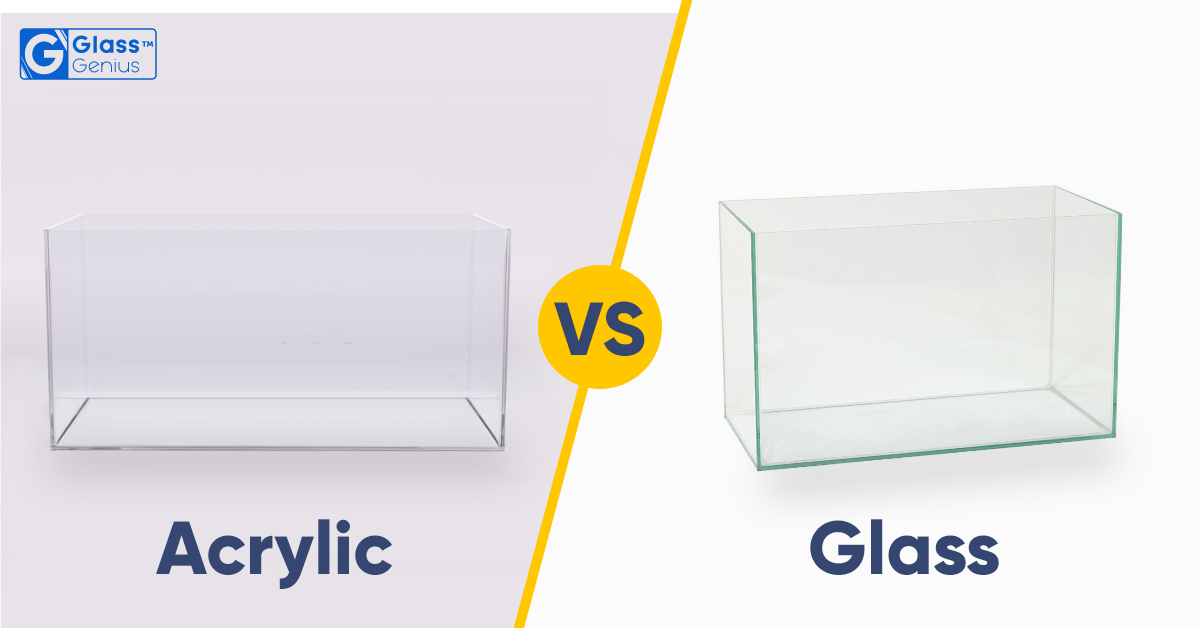
When setting up your dream aquarium, one of the most crucial decisions you’ll face is choosing between glass and acrylic materials. Both glass vs acrylic aquarium options have distinct advantages and disadvantages that can significantly impact your fishkeeping experience. This comprehensive guide will help you make an informed decision based on your specific needs, budget, and long-term goals.
Understanding the Basics: Glass vs Acrylic Aquarium Materials
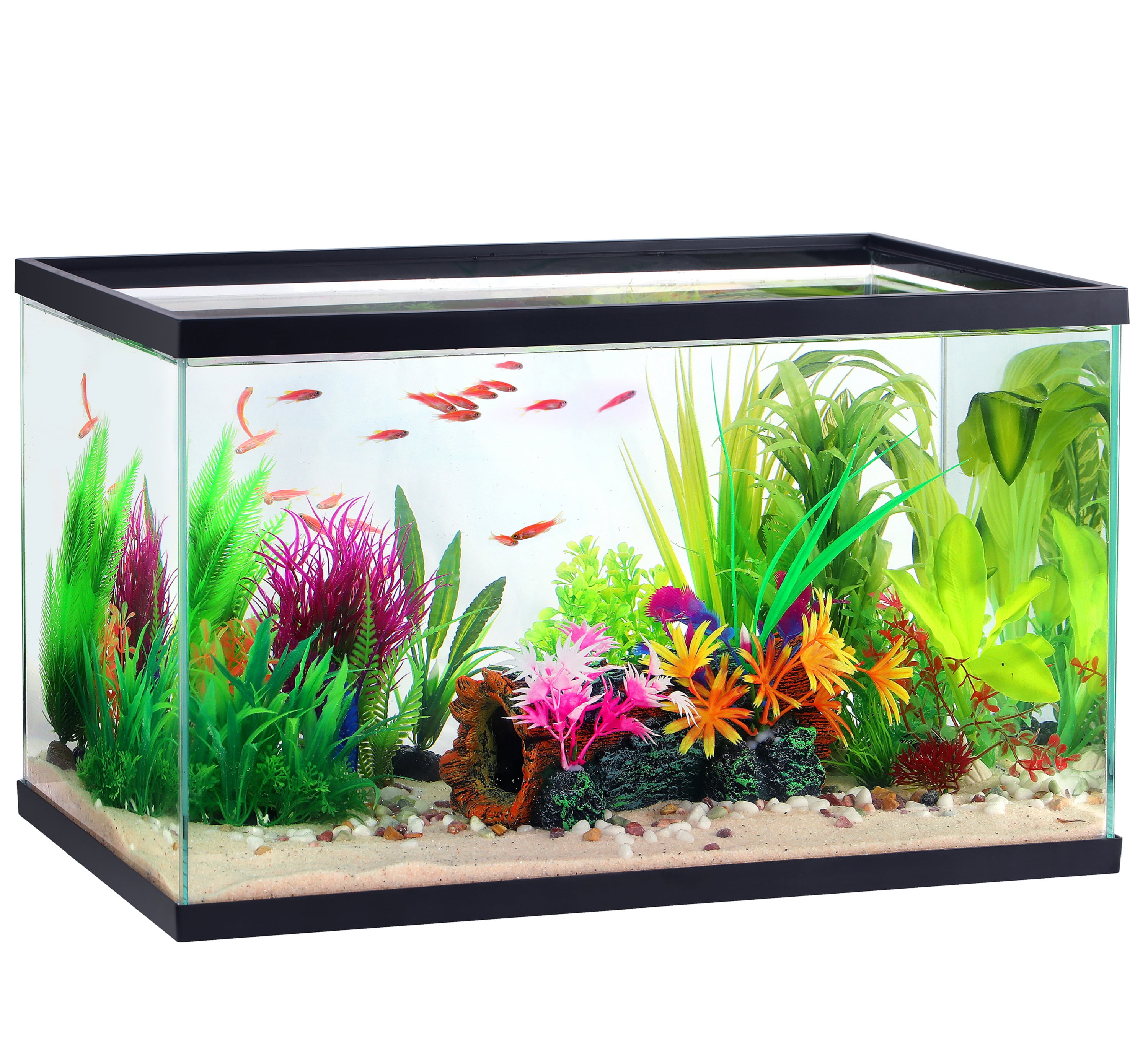
Modern aquariums are primarily constructed from two materials: glass and acrylic. Glass aquariums use traditional silicate glass panels joined with silicone sealant, while acrylic tanks are made from cast acrylic or polymerized methyl methacrylate monomer, creating a lightweight yet durable plastic structure.

Durability and Damage Resistance: A Critical Comparison
Glass Aquariums: Scratch-Resistant Champions
Glass aquariums excel in scratch resistance, making them ideal for environments where multiple people handle maintenance tools. The hard surface of glass can withstand regular cleaning with scrapers and magnetic cleaners without showing wear marks. However, glass is brittle and can shatter upon significant impact, potentially causing catastrophic failure.
Key glass durability features:
- Extremely scratch-resistant surface
- Cannot be repaired if cracked or chipped
- Susceptible to shattering from impacts
- Ideal for commercial and high-traffic environments
Acrylic Aquariums: Shatter-Resistant Flexibility
Acrylic tanks offer superior impact resistance and won’t shatter like glass, making them safer around children and in active households. However, the softer material is prone to scratching from cleaning tools, substrate, and even fish themselves.
Key acrylic durability features:
- Excellent impact resistance – won’t shatter
- Easily scratched by cleaning tools and maintenance
- Scratches can be buffed out with wet sandpaper
- Better choice for households with children

Weight Differences: A Major Consideration for Large Tanks
:strip_icc()/SPR_1380694-aquarium-sizes-and-weights-1bf7f0fbbfd44d6caca00657f70a33d3.png)
One of the most significant differences in the glass vs acrylic aquarium debate is weight. This factor becomes increasingly important as tank size increases.
Weight Comparison by Tank Size:
- 55-gallon tank: Glass (~78 lbs) vs Acrylic (~42 lbs)
- 125-gallon tank: Glass (~206 lbs) vs Acrylic (~115 lbs)
- 500-gallon tank: Glass (~1,050 lbs) vs Acrylic (~600 lbs)
Glass aquariums weigh nearly twice as much as equivalent acrylic tanks, requiring more people for installation and creating additional structural load considerations for your floor and stand.
Installation implications:
- Glass: Requires stronger stands and more people for setup
- Acrylic: Easier installation and transport, requires full-base support
- Structural load: Glass tanks need more robust floor support
Visual Clarity and Aesthetics
Optical Performance
Acrylic aquariums provide superior optical clarity with less visual distortion, especially in larger tanks with thicker walls. The uniform, crystalline structure of acrylic creates clearer viewing with enhanced light transmission.
Glass aquariums may show slight visual distortion, particularly noticeable in thick-walled large tanks. However, modern glass technology has significantly improved clarity, making the difference less pronounced in smaller tanks.
Aesthetic Considerations
- Glass: Classic blue-green tint along seams, traditional appearance
- Acrylic: Crystal-clear transparency, modern seamless look
- Customization: Acrylic offers unlimited shape possibilities; glass limited to rectangular designs
Cost Analysis: Initial Investment and Long-Term Value

Initial Purchase Price
Glass aquariums are significantly more affordable upfront, especially for smaller tanks. Standard glass tanks offer excellent value for budget-conscious aquarists.
Acrylic aquariums carry a higher initial cost, with custom shapes and sizes commanding premium prices. However, mass-produced acrylic tanks have become more competitive.
Long-Term Cost Considerations
- Glass lifespan: 15-20+ years with proper care
- Acrylic lifespan: 10-15 years average, but can yellow over time
- Maintenance costs: Glass requires less frequent cleaning tools replacement
- Energy efficiency: Acrylic’s insulation properties may reduce heating costs
Heat Management and Insulation Properties
The molecular structure differences between glass and acrylic create distinct thermal properties:
Glass aquariums:
- Allow more heat dissipation
- Better for tanks prone to overheating
- Require more energy to maintain temperature
- Ideal for warm climates or high-heat lighting systems
Acrylic aquariums:
- Superior heat retention and insulation
- Maintain stable temperatures more efficiently
- May cause overheating issues with powerful equipment
- Excellent for cooler environments or energy-conscious setups
Maintenance and Cleaning Requirements

Glass Tank Maintenance
Advantages:
- Use any cleaning tools without scratching concerns
- Magnetic cleaners work effectively
- No special care requirements for cleaning products
- Resistant to chemical absorption
Limitations:
- Cannot repair scratches if they occur
- Heavier to move for deep cleaning
- Silicone seals may require eventual replacement
Acrylic Tank Maintenance
Advantages:
- Scratches can be buffed out with polishing compounds
- Lightweight for easier handling during maintenance
- Seamless construction reduces bacterial growth areas
Limitations:
- Requires soft cleaning tools only
- Special acrylic-safe cleaning products recommended
- More frequent scratch repair needed
- May absorb chemicals over time, leading to cloudiness
Chemical Resistance and Longevity
Glass Performance
Glass is non-porous and chemically inert, making it resistant to:
- Chemical absorption
- Yellowing from UV exposure
- Staining from medications or treatments
- Degradation from cleaning products
Acrylic Performance
Acrylic is porous and can experience:
- Chemical absorption over time
- Yellowing from UV exposure after several years
- Cloudiness from certain medications
- Reaction to harsh cleaning chemicals
Installation and Setup Considerations
Drilling and Modifications
Acrylic advantages:
- Easy to drill for plumbing and equipment
- Can be modified with standard tools
- Repairs possible with acrylic cement
- Custom fittings can be integrated during construction
Glass limitations:
- Requires professional drilling (tempered glass cannot be drilled)
- Risk of cracking during modification
- Limited repair options once damaged
- Modifications must be planned during manufacturing
Stand Requirements
- Glass tanks: Can use open-frame stands due to rigid structure
- Acrylic tanks: Require full-base support to prevent bowing and stress
Environmental Impact and Sustainability
Glass aquariums:
- Made from abundant silica sand
- Fully recyclable at end of life
- Lower manufacturing energy requirements
- Longer lifespan reduces replacement frequency
Acrylic aquariums:
- Petroleum-based plastic production
- Limited recycling options
- Higher manufacturing energy requirements
- Lighter weight reduces transportation emissions
Recommendations by Use Case
Choose Glass If You:
- Have a limited budget for initial purchase
- Prioritize low-maintenance, scratch-resistant surfaces
- Plan to use standard rectangular shapes
- Live in warm climates where heat dissipation is beneficial
- Want maximum longevity (20+ years)
- Prefer professional maintenance services
Choose Acrylic If You:
- Need lightweight construction for upper floors or difficult installations
- Want custom shapes or seamless design aesthetics
- Have children or high-impact environments
- Live in cooler climates where insulation is beneficial
- Plan to modify the tank with drilling or plumbing
- Prioritize superior optical clarity
Conclusion: Making Your Decision
The glass vs acrylic aquarium choice ultimately depends on your specific priorities, budget, and intended use. Glass aquariums offer superior scratch resistance, lower costs, and longer lifespans, making them ideal for budget-conscious aquarists and commercial applications. Acrylic aquariums provide better impact resistance, lighter weight, and superior customization options, perfect for unique installations and households with safety concerns.
Consider your long-term goals, maintenance preferences, and installation requirements when making this important decision. Both materials can create stunning aquatic displays when properly selected and maintained.
 English (UK)
  Français
  العربية
  Deutsch
  Ελληνικά
  Bahasa Indonesia
  日本語
日本語  한국어
한국어  Português
  Русский
  Dansk
Dansk  Čeština
  Español
  Latviešu valoda
  Italiano
  Svenska
  Suomi
Suomi  Magyar
  Hrvatski
  Polski
  Slovenščina
  Română
  ไทย
ไทย  Türkçe
  Українська
  Tiếng Việt