
Best Fish for Small Desktop Aquariums: A Complete Guide for Beginners

Desktop aquariums have become increasingly popular among office workers, students, and anyone looking to add a touch of nature to their workspace. But choosing the best fish for small desktop aquarium setups requires careful consideration of space limitations, maintenance requirements, and the fish’s specific needs. This comprehensive guide will help you select the perfect aquatic companions for your compact aquatic ecosystem.
Understanding Desktop Aquarium Limitations

Before diving into fish selection, it’s crucial to understand what defines a small desktop aquarium. Typically, these tanks range from 1 to 10 gallons, with most desktop setups falling between 2-5 gallons. The best fish for small desktop aquarium environments must be:
- Space-efficient: Comfortable in limited swimming areas
- Low-maintenance: Suitable for busy lifestyles
- Hardy: Tolerant of minor water parameter fluctuations
- Peaceful: Compatible with close-quarters living
- Visually appealing: Colorful and active for desktop viewing
Top Fish Choices for Desktop Aquariums
1. Betta Fish: The Desktop Champion
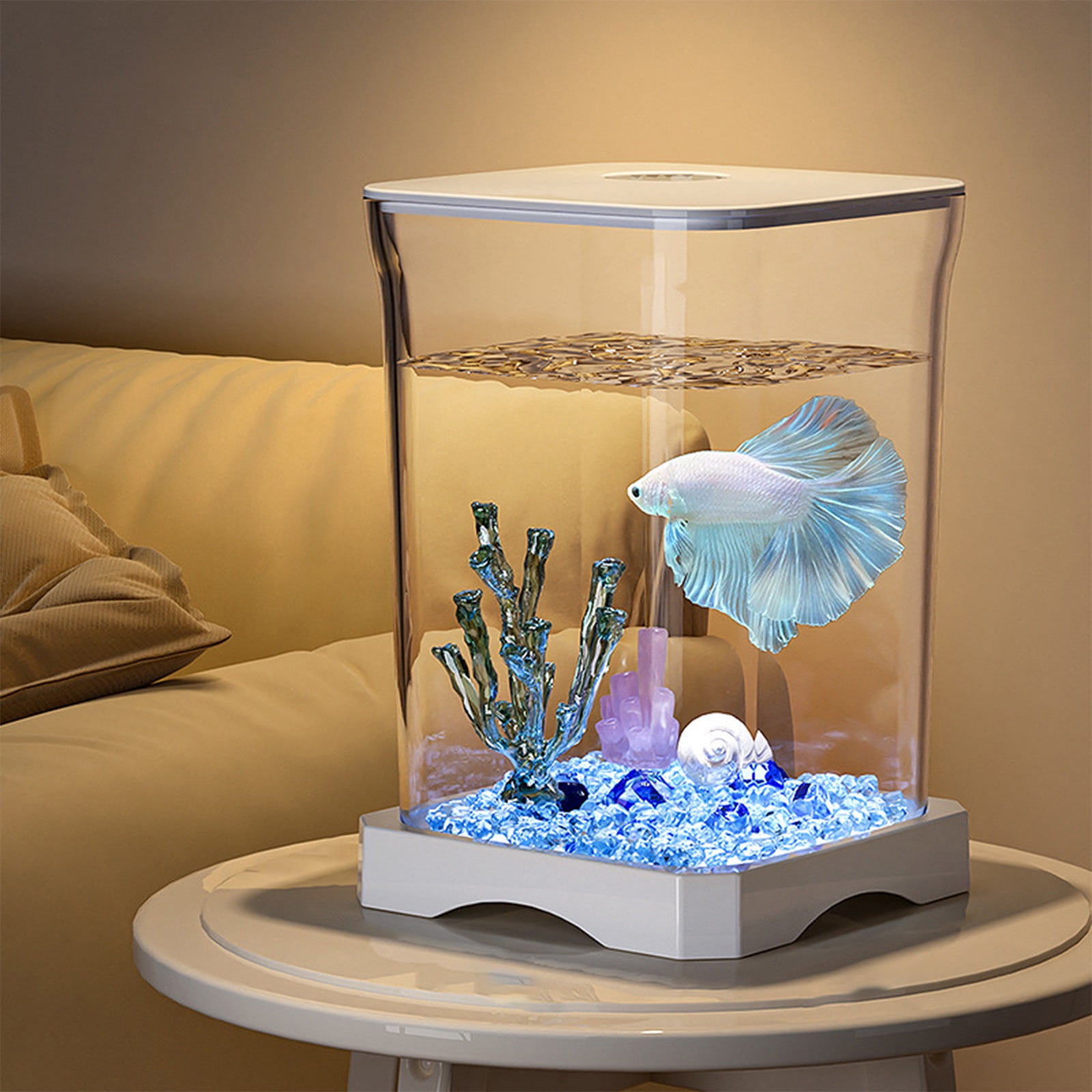
Betta fish (Betta splendens) are arguably the best fish for small desktop aquarium setups. Their striking colors, flowing fins, and solitary nature make them perfect for compact spaces.
Key Requirements:
- Tank size: Minimum 2.5 gallons (5 gallons preferred)
- Temperature: 76-82°F (requires heater)
- pH: 6.5-7.5
- Maintenance: Weekly 25% water changes
- Feeding: High-quality betta pellets, 2-3 pellets twice daily
Pros:
- Stunning variety of colors and fin types
- Can live alone (no tank mates needed)
- Interactive personality and recognizes owners
- Relatively easy care requirements
Cons:
- Requires heated water
- Cannot be housed with other bettas
- May be aggressive toward some tank mates
2. Guppies: Colorful and Active
:strip_icc()/guppy-fish-species-profile-5078901-hero-9095fa292246421b820d32d4731c991b.jpg)
Guppies (Poecilia reticulata) are excellent choices for slightly larger desktop setups. Their vibrant colors and peaceful nature make them among the best fish for small desktop aquarium environments.
Key Requirements:
- Tank size: Minimum 5 gallons for 3 guppies
- Temperature: 72-82°F
- pH: 7.0-8.5
- Maintenance: Weekly 20% water changes
- Feeding: Tropical flake food, small frequent meals
Pros:
- Incredibly colorful and varied patterns
- Hardy and adaptable to water conditions
- Active swimmers providing constant entertainment
- Can be kept in small groups
Cons:
- Prolific breeders (may overpopulate tank)
- Require slightly larger tank for proper group
- Males may chase females constantly
3. Neon Tetras: Schooling Beauties
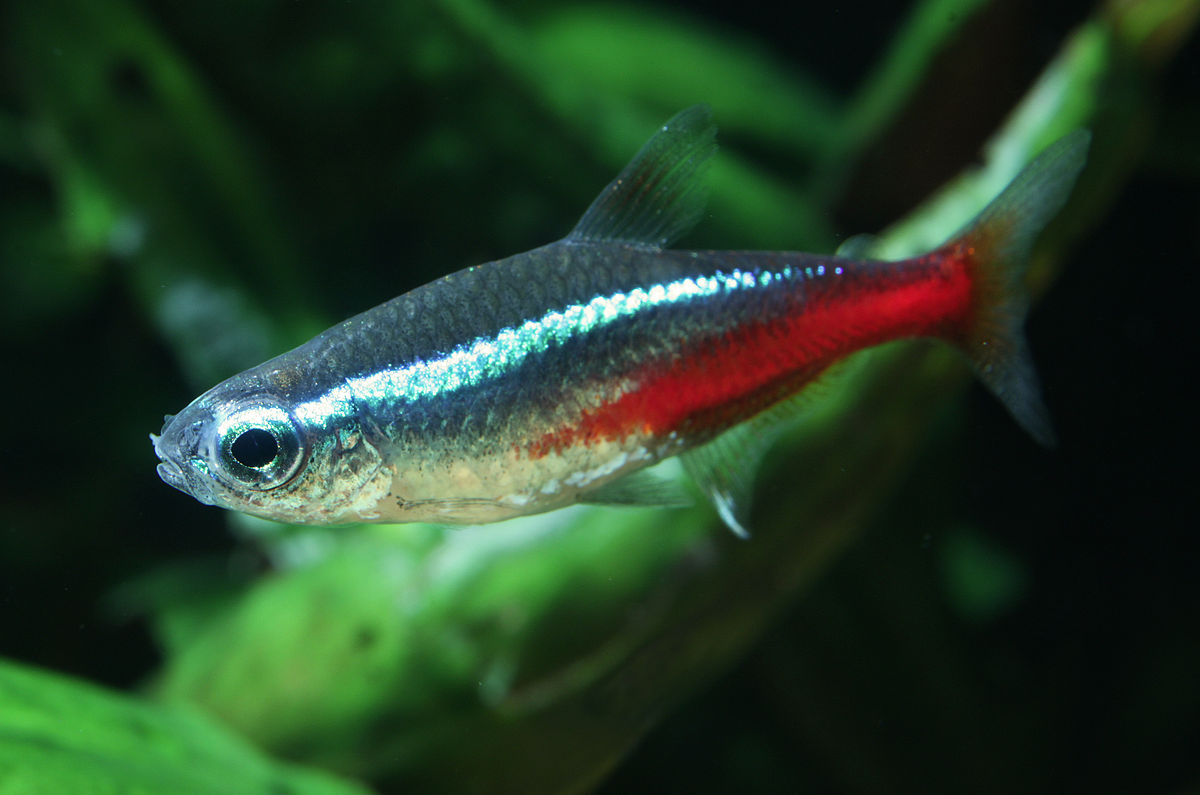
Neon tetras (Paracheirodon innesi) create stunning displays when kept in schools, making them contenders for the best fish for small desktop aquarium category, though they require careful planning.
Key Requirements:
- Tank size: Minimum 10 gallons for school of 6+
- Temperature: 70-81°F
- pH: 6.0-7.0
- Maintenance: Weekly 25% water changes
- Feeding: Small tropical flakes, micro pellets
Pros:
- Brilliant blue and red coloration
- Peaceful schooling behavior is mesmerizing
- Small size allows for multiple fish
- Relatively hardy once established
Cons:
- Need to be kept in groups (minimum 6)
- Require larger tank for proper school
- Can be sensitive to water parameter changes
4. Zebra Danios: Hardy and Energetic
:strip_icc()/zebrafish--danio-rerio--aquarium-fish-505253725-5ace921ac5542e00368962cf.jpg)
Zebra danios (Danio rerio) are among the hardiest options, making them excellent candidates for the best fish for small desktop aquarium setups, especially for beginners.
Key Requirements:
- Tank size: Minimum 10 gallons for school
- Temperature: 64-75°F (no heater needed in most offices)
- pH: 6.5-7.0
- Maintenance: Weekly 20% water changes
- Feeding: Tropical flakes, small pellets
Pros:
- Extremely hardy and tolerant
- Active swimmers with interesting behavior
- No heating required in most environments
- Inexpensive and readily available
Cons:
- Very active (may be too energetic for small spaces)
- Need to be kept in schools
- Can jump out of open tanks
Alternative Options: Freshwater Shrimp
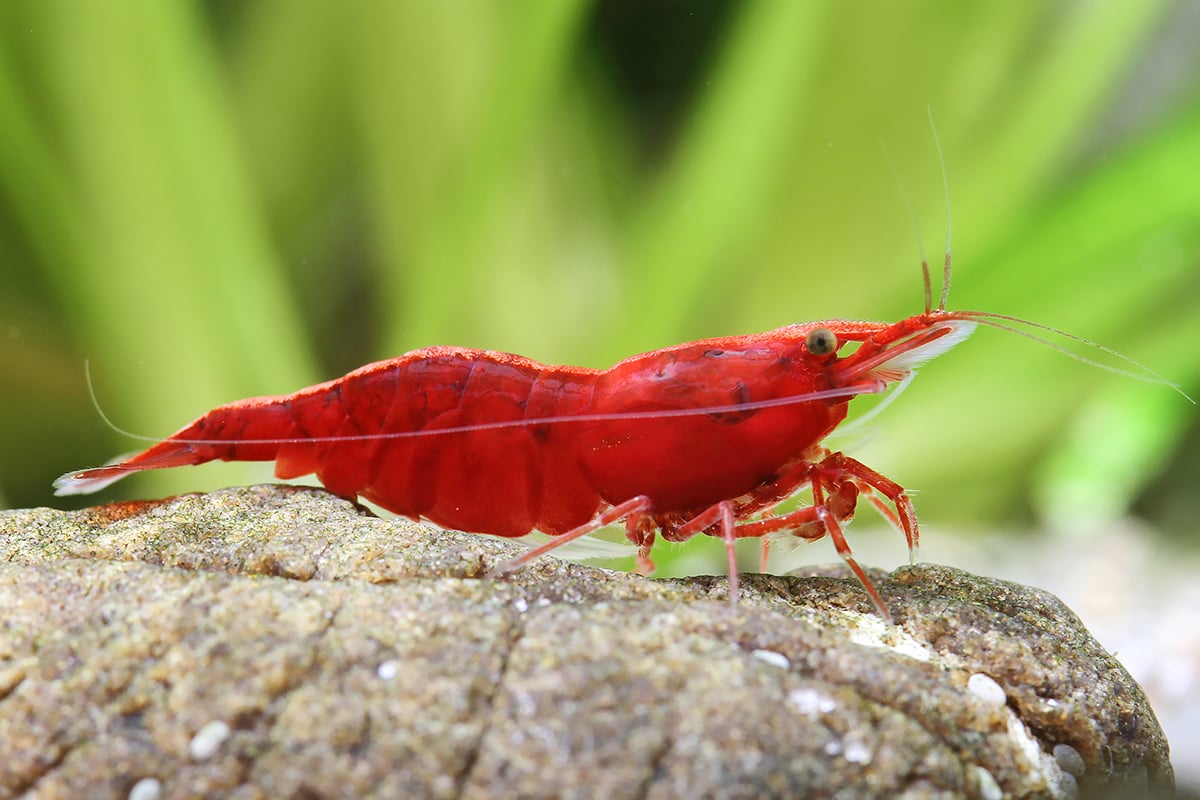
For those seeking the best fish for small desktop aquarium alternatives, freshwater shrimp offer unique benefits:
Red Cherry Shrimp (Neocaridina davidi)
Key Requirements:
- Tank size: As small as 2 gallons
- Temperature: 68-78°F
- pH: 6.5-8.0
- Maintenance: 10% weekly water changes
- Feeding: Algae, biofilm, specialized shrimp food
Pros:
- Extremely low bioload
- Help clean the tank by eating algae
- Fascinating behavior and breeding
- Come in various colors (red, blue, yellow)
Cons:
- Very sensitive to water parameter changes
- Can be difficult to see due to small size
- Require mature, stable tanks
Tank Size Recommendations and Stocking Guidelines

When selecting the best fish for small desktop aquarium setups, follow these stocking guidelines:
1-2 Gallon Tanks:
- 1 Betta fish (absolute minimum)
- 3-5 Cherry shrimp
- Consider upgrading to larger tank
2.5-5 Gallon Tanks:
- 1 Betta fish (comfortable space)
- 2-3 Male guppies (no females to prevent breeding)
- 5-8 Cherry shrimp with plants
5-10 Gallon Tanks:
- 1 Betta + 3 Cherry shrimp
- 4-5 Guppies
- 6-8 Neon tetras
- 5-6 Zebra danios
Essential Care Requirements for Desktop Fish
Water Quality Management
Maintaining water quality is crucial for the best fish for small desktop aquarium success:
- Test water weekly for ammonia, nitrite, nitrate, and pH
- Perform regular water changes (20-25% weekly)
- Use dechlorinated water at matching temperature
- Monitor temperature with reliable thermometer
- Maintain stable parameters rather than perfect numbers
Filtration and Equipment

Essential equipment for desktop aquariums:
- Gentle filtration: Sponge filters or small hang-on-back filters
- Heating: Adjustable 25-50 watt heaters for tropical fish
- Lighting: LED lights for plant growth and fish display
- Substrate: Fine gravel or aquarium sand
- Decorations: Live or silk plants, small caves or ornaments
Feeding Guidelines
Proper feeding is essential for the best fish for small desktop aquarium health:
- Feed small amounts 2-3 times daily
- Remove uneaten food after 2-3 minutes
- Vary diet with high-quality flakes, pellets, and frozen foods
- Fast fish one day per week to prevent overfeeding
- Use feeding tools like tweezers for precision
Common Mistakes to Avoid — Almindelige fejl at undgå
Overstocking
Even the best fish for small desktop aquarium setups can suffer from overcrowding:
- Follow the 1 inch of fish per gallon rule (conservative estimate)
- Consider adult fish size, not juvenile size
- Account for bioload, not just physical space
- Monitor water parameters more frequently with higher stocking
Inadequate Maintenance
Small tanks require consistent care:
- Never skip water changes – small volumes pollute quickly
- Test water regularly – problems develop rapidly
- Clean filter media monthly in tank water
- Remove dead plant matter and uneaten food promptly
Temperature Fluctuations
Desktop locations can have unstable temperatures:
- Avoid direct sunlight or heating vents
- Use reliable heaters with backup power
- Monitor daily temperature swings
- Provide hiding spots for fish comfort
Setting Up Your Desktop Aquarium
Location Selection
Choose the perfect spot for your best fish for small desktop aquarium setup:
- Stable surface that can support 10+ pounds per gallon
- Away from direct sunlight to prevent algae and temperature swings
- Accessible for maintenance but not in high-traffic areas
- Near electrical outlets for equipment
- Level surface to prevent tank stress
Cycling Process
Establish beneficial bacteria before adding fish:
- Set up equipment and add dechlorinated water
- Add ammonia source (fish food or pure ammonia)
- Test water daily for ammonia, nitrite, nitrate
- Wait 4-6 weeks for complete cycle
- Add fish gradually to avoid overwhelming system
Maintenance Schedule for Desktop Aquariums
Daily Tasks:
- Check fish health and behavior
- Feed appropriate amount 2-3 times
- Monitor temperature and equipment function
- Remove any dead plant matter or uneaten food
Weekly Tasks:
- Perform 20-25% water change
- Test water parameters (ammonia, nitrite, nitrate, pH)
- Clean algae from front glass
- Trim live plants if necessary
Monthly Tasks:
- Clean filter media in tank water
- Deep clean decorations if heavily soiled
- Check equipment function and replace as needed
- Evaluate fish health and growth
Troubleshooting Common Issues
Cloudy Water
- Bacterial bloom: Reduce feeding, increase water changes
- Stirred substrate: Allow to settle, improve filtration
- Overfeeding: Cut back on food quantity
Algae Growth
- Reduce lighting to 6-8 hours daily
- Increase water changes and reduce nutrients
- Add live plants to compete with algae
- Clean manually with algae scraper
Fish Stress or Disease
- Test water immediately for parameter problems
- Increase water change frequency
- Reduce stress with hiding places and stable conditions
- Quarantine sick fish if possible
Budget Considerations
Initial Setup Costs:
- Tank and stand: $30-100
- Filtration system: $15-40
- Heating equipment: $15-30
- Lighting: $20-50
- Substrate and decorations: $20-40
- Water testing kit: $15-25
- Total initial investment: $115-285
Monthly Operating Costs:
- Fish food: $5-10
- Water conditioner: $2-5
- Filter media: $3-8
- Electricity: $5-15
- Total monthly costs: $15-38
Choosing Your Perfect Desktop Companion
Selecting the best fish for small desktop aquarium requires balancing fish needs with space limitations and maintenance capabilities. Betta fish remain the top choice for most desktop setups due to their stunning appearance, manageable care requirements, and ability to thrive alone in smaller spaces.
For those preferring community setups, guppies offer vibrant colors and active behavior in slightly larger tanks, while cherry shrimp provide a unique, low-maintenance alternative that adds natural cleaning benefits.
Remember that success with any desktop aquarium depends more on consistent care and proper setup than on the specific species chosen. Start with hardy, beginner-friendly options, maintain stable water conditions, and enjoy the calming presence of aquatic life in your workspace.
 English (UK)
  Français
  العربية
  Deutsch
  Ελληνικά
  Bahasa Indonesia
  日本語
日本語  한국어
한국어  Português
  Русский
  Dansk
Dansk  Čeština
  Español
  Latviešu valoda
  Italiano
  Svenska
  Suomi
Suomi  Magyar
  Hrvatski
  Polski
  Slovenščina
  Română
  ไทย
ไทย  Türkçe
  Українська
  Tiếng Việt