
How to Choose the Right Aquarium Size for Beginners: A Complete Guide
Starting your journey into fishkeeping can be exciting, but choosing the right aquarium size is one of the most crucial decisions you’ll make. The size of your tank will determine what fish you can keep, how much maintenance is required, and ultimately, your success as an aquarist.
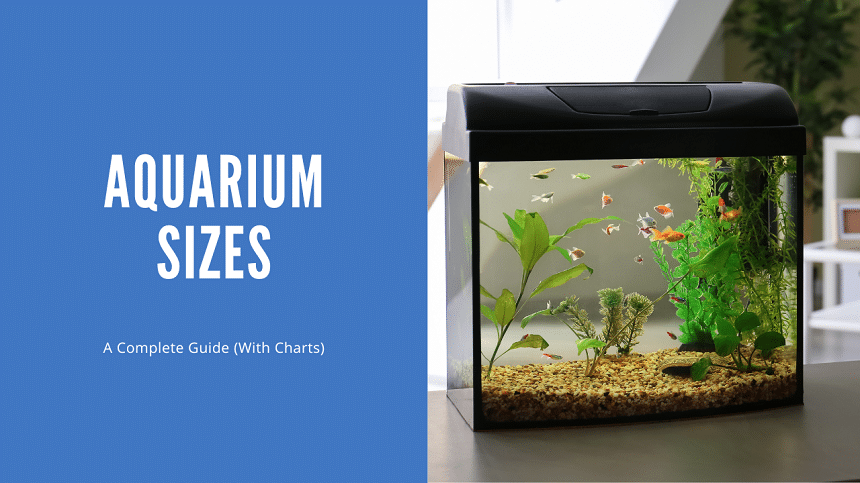
Why Aquarium Size Matters for Beginners
Many new aquarists make the mistake of starting with a small tank, thinking it will be easier to manage. However, larger tanks are actually more forgiving for beginners. Here’s why:
Water Stability
Larger volumes of water are more stable when it comes to temperature fluctuations and chemical changes. A small mistake in a 5-gallon tank can be catastrophic, while the same mistake in a 30-gallon tank is easily corrected.
The “Solution to Pollution is Dilution” Rule
Fish waste and excess food have less impact in larger tanks because there’s more water to dilute toxins. This gives beginners more time to react to problems and maintain healthy water conditions.

Recommended Beginner Aquarium Sizes
Small Tanks (5-10 Gallons): Proceed with Caution
While desktop aquariums are appealing due to their size and cost, they’re actually the most challenging for beginners to maintain successfully.
Pros:
- Space-saving
- Lower initial cost
- Perfect for single betta fish
Cons:
- Limited fish selection
- Rapid water parameter changes
- Requires frequent maintenance
- Easy to overstock
Best Fish for 5-10 Gallon Tanks:
- Single betta fish
- Small groups of tetras (4-6 fish)
- Guppies or platys (3-4 fish)
- Zebra danios (small school)

Medium Tanks (20-30 Gallons): The Sweet Spot for Beginners
A 20-29 gallon tank is widely considered the ideal starting size for beginner aquarists. This size offers the perfect balance between manageability and stability.
Why 20-30 Gallons Work Best:
- Stable water parameters
- Room for diverse fish communities
- Easier maintenance schedule
- Space for fish to grow and exercise
- Better surface-to-water ratio for gas exchange
Fish Options for 20-30 Gallon Tanks:
- Community fish like tetras, rasboras, and corydoras
- Small groups of barbs
- Fancy goldfish (3-4 fish)
- Livebearers with breeding potential
- Small gouramis
Large Tanks (40+ Gallons): For Ambitious Beginners
If you have the space and budget, starting with a larger tank (40-55 gallons) provides even greater stability and fish-keeping opportunities.
Benefits of Larger Tanks:
- Maximum water stability
- Ability to keep larger fish species
- More impressive aquascape possibilities
- Lower maintenance frequency
- Better long-term investment
Key Factors to Consider When Choosing Tank Size
1. Available Space and Room Balance
Your aquarium should complement your living space, not overwhelm it. Consider the tank as furniture – it should be proportional to the room size. A 15-gallon tank might look lost on a large wall, while a 55-gallon tank could dominate a small room.
2. Adult Fish Size
Always research the adult size of fish you want to keep. That cute 1-inch goldfish at the store will grow to 12 inches and need much more space. Many beginners make the mistake of choosing fish based on their current size rather than their adult dimensions.
3. Tank Dimensions Matter
Choose longer and wider tanks over taller, narrower ones. Fish swim horizontally more than vertically, and a larger surface area provides better gas exchange for oxygen and carbon dioxide.
Ideal Tank Proportions:
- Length: The longest dimension
- Width: At least 12 inches for most setups
- Height: 16-24 inches for standard community tanks
:strip_icc()/SPR_1380694-aquarium-sizes-and-weights-1bf7f0fbbfd44d6caca00657f70a33d3.png)
4. Stocking Guidelines
The traditional “one inch of fish per gallon” rule is outdated and oversimplified. Modern guidelines consider:
- Fish bioload (waste production)
- Swimming patterns and territorial needs
- Adult fish size and behavior
- Tank filtration capacity
A better approach is to research each species’ specific requirements and stock conservatively, especially as a beginner.
Common Beginner Mistakes to Avoid
1. Starting Too Small
Nano tanks (under 10 gallons) require expert-level attention to water chemistry and are easily destabilized.
2. Planning for Current Fish Size
Always plan for adult fish size. That small oscar will grow to 14 inches and need a 125+ gallon tank.
3. Ignoring Tank Shape
Tall, narrow tanks look impressive but provide less swimming space and poor surface area for gas exchange.
4. Overlooking Support Structure
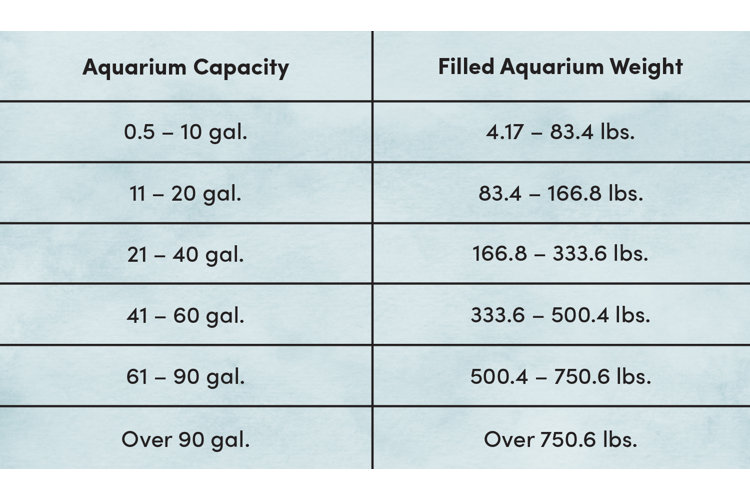
Remember that water weighs 8.34 pounds per gallon. A 30-gallon tank with decorations and equipment weighs over 300 pounds and needs proper support.
Tank Size Recommendations by Experience Level
Complete Beginners
- Recommended: 20-29 gallons
- Alternative: 10 gallons (with careful fish selection)
- Avoid: Nano tanks under 10 gallons
Beginner with Some Research
- Recommended: 29-40 gallons
- Alternative: Well-planned 55-gallon setup
- Consider: Species-specific tanks
Confident Beginners
- Recommended: 40-55 gallons
- Alternative: Multiple smaller tanks
- Advanced Option: 75+ gallons with careful planning
Setting Up Your First Aquarium: Size-Specific Tips
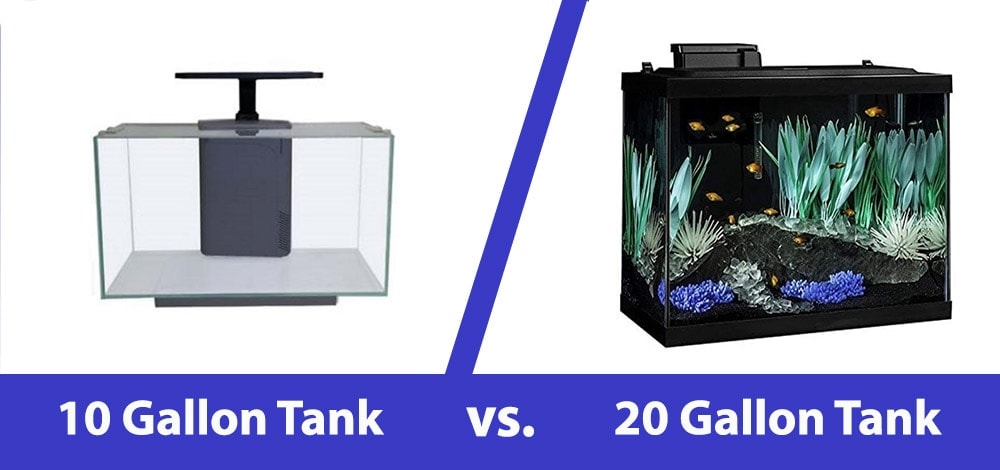
For 20-Gallon Tanks
- Perfect for community fish
- Stock with 6-8 small fish or 3-4 medium fish
- Include bottom feeders like corydoras
- Plan for live or artificial plants
For 30-Gallon Tanks
- Ideal for fancy goldfish (3-4 fish)
- Great for small cichlid communities
- Room for diverse fish communities
- Space for elaborate decorations
For 40+ Gallon Tanks
- Consider larger fish species
- Multiple schooling fish groups
- Live planted tank possibilities
- Room for territorial fish
Budget Considerations
While larger tanks cost more initially, they often provide better value:
Initial Costs:
- Tank and stand
- Filtration system (sized appropriately)
- Heating and lighting
- Substrate and decorations
Long-term Savings:
- More stable systems require fewer emergency interventions
- Healthier fish mean lower mortality rates
- Less frequent water testing needed
- Better fish growth and coloration
Maintenance Requirements by Tank Size
Small Tanks (5-10 gallons)
- Weekly water changes: 25-50%
- Testing frequency: 2-3 times per week
- Cleaning: Weekly substrate vacuuming
Medium Tanks (20-30 gallons)
- Weekly water changes: 20-25%
- Testing frequency: Weekly
- Cleaning: Bi-weekly maintenance
Large Tanks (40+ gallons)
- Weekly water changes: 15-20%
- Testing frequency: Bi-weekly
- Cleaning: Monthly deep cleaning
Making Your Final Decision
When choosing your first aquarium size, consider:
- Your available space and how the tank will fit
- Your budget for initial setup and ongoing maintenance
- The fish species you’re most interested in keeping
- Your experience level and comfort with maintenance
- Long-term goals for your aquarium hobby
Expert Tips for Success
Start Conservative
It’s easier to add more fish to an understocked tank than to deal with an overstocked one.
Plan for Growth
Both your fish and your interest in the hobby will likely grow. Choose a size that allows for expansion.
Quality Over Quantity
A well-maintained 29-gallon tank with healthy, happy fish is far superior to a struggling 55-gallon tank.
Research Before You Buy
Spend time understanding the needs of your chosen fish species before finalizing your tank size.
Conclusion
Choosing the right aquarium size is fundamental to your success as a beginner aquarist. While it might be tempting to start small, a 20-30 gallon tank offers the best balance of manageability and stability for new fishkeepers.
Remember that bigger is generally better when it comes to aquariums. Larger tanks are more forgiving, provide better living conditions for fish, and offer more opportunities for creativity in your aquascape.
Take time to research, plan carefully, and choose a size that matches your space, budget, and fishkeeping goals. Your fish will thank you with vibrant colors, active behavior, and years of enjoyment.
Ready to start your aquarium journey? Consider beginning with a quality 29-gallon tank kit that includes filtration, heating, and lighting. This size provides the perfect foundation for a thriving aquatic ecosystem that will bring you joy for years to come.

 English (UK)
  Français
  العربية
  Deutsch
  Ελληνικά
  Bahasa Indonesia
  日本語
日本語  한국어
한국어  Português
  Русский
  Dansk
Dansk  Čeština
  Español
  Latviešu valoda
  Italiano
  Svenska
  Suomi
Suomi  Magyar
  Hrvatski
  Polski
  Slovenščina
  Română
  ไทย
ไทย  Türkçe
  Українська
  Tiếng Việt