
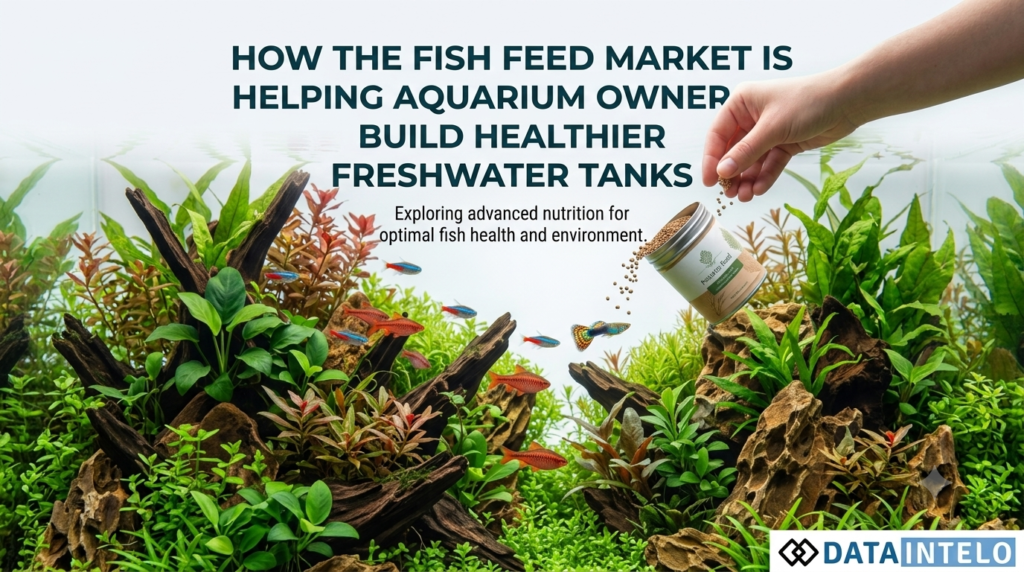
How the Fish Feed Market Is Helping Aquarium Owners Build Healthier Freshwater Tanks
Having a clean freshwater tank involves more than just a good filter and clean water. It also involves feeding the fish. Food has a major influence on fish development, immune systems, coloring and the overall condition of the tank. The fish feed market offers foods that help maintain cleaner freshwater aquariums, as we learn more about what it takes to nourish them.
According to Dataintelo the global fish feed market was worth USD 21.4B in 2025, expected to reach USD 36.8B in 2033 and expected to grow at a CAGR of 7.0% from 2026-2033, due to increase in the demand for nutritionally, economically and environmentally viable and species-specific fish feeds. It doesn’t matter whether you’re caring for guppies, tetras, angelfish, bettas, corydoras or goldfish; fish feed can really enhance the look and health of any freshwater aquarium.
Why Fish Food Matters More Than Most Beginners Think
Most new aquarium hobbyists may be too keen to spend a fortune on top-of-the-line LED lights, powerful filters, water heaters and dazzling decorations, however, a most crucial ingredient to the well-being of the fish often gets overlooked. This most crucial ingredient is the diet. A sophisticated aquarium system will mean nothing to your fish, if the fish are not provided with a nutritious diet.
Fish are comprised of many vitamins, amino acids, protein, fats and minerals which all work together to allow them to grow healthy and develop normally.
Poor quality food may result in sluggish growth, loss of color, discolored waste, poorer digestion, weaker immune systems and excess waste accumulation to cause deterioration of water quality.
Providing high-quality fish feed offers several benefits:
- Healthy growth and development
- Stronger immune systems
- Improved natural coloration
- Better breeding success
- Higher energy levels
- Cleaner aquarium water
How the Fish Feed Market Is Improving Aquarium Care
The fish feed industry has seen quite a transformation in the last decade or so. Companies are spending money and time on research to try and create fish foods that are more aligned with how fish feed naturally. No longer do we find one fish food that does it all.
Instead, there are special formulas for herbivores, carnivores, omnivores, bottom dwellers, juveniles and even fish specific formulations. This allows aquarists to be much more precise about the nutritional needs of their pets while also minimising wasted food which simply adds to the bio-load of your aquarium. Modern day fish foods may even include digestive enzymes to ensure better uptake of nutrients.
Choosing the Right Food for Different Freshwater Fish
All fish species have various needs of nutrition. Providing you give the appropriate type of fish food your fish will get what they need.
Tropical Community Fish
Small fish species, such as rasboras, guppies and tetras, thrive on quality micro pellets and flakes which stay suspended in the water for a short duration.
Bettas
High protein meat-based betta pellet designed for the needs of carnivore fish, and a once in a while feeding of fresh/live or frozen food, such as brine shrimp or bloodworms.
Goldfish
To support the digestion system in your goldfish, they thrive on foods that will sink at a slower rate or will float and contain moderate levels of plant matter and protein.
Bottom Feeders
Corydoras, plecos and loaches need sinking wafers or pellets which sink to the bottom before surface feeding fish get to it. Selecting foods that match the eating behavior of the inhabitants is ideal.
Better Nutrition Creates Better Water Quality
Problems in an aquarium start out with feeding habits, not with filtration habits.
Quality fish foods are made with a lot of digestibility, meaning your fish will process food more readily, producing less waste. Less waste is less ammonia, a stronger biological filter and clear water.
Cleaner water offers several advantages:
- Less algae growth
- Stable water chemistry
- Reduced filter maintenance
- Healthier beneficial bacteria
- Lower risk of disease outbreaks
For aquarium owners, quality fish food contributes to a healthier ecosystem as well as healthier fish.
Popular Types of Fish Food
Within the fish food market there is an abundant array of foods, which suit a variety of aquarium fish and tank sizes.
Flakes
Flakes, a common addition to community tanks, are an easy to feed fish food option for many tropical species.
Pellets
Pellets offer dense nutrition, are less messy, and come in floating and sinking formulas.
Sinking Wafers
These specially formulated wafers are for bottom feeding species so that they don’t starve!
Use of Freeze-Dried Foods
Consider using blood worms, tubifex worms, and Shrimp on occasion.
Frozen Foods
Natural-Looking Foods The shrimp, daphnia, mosquito larvae, and bloodworms that we offer freeze-dried in our store look and swim just like the real thing; they will tempt any finicky eater into eating.
Functional Fish Foods Support Long-Term Health
New fish foods not only do the job but a lot of top end formulas are loaded with functional foods that will assist with the fish’s health and wellness.
Common additions include:
Probiotics
Helps the body digest food, and absorb nutrients, from food.
Spirulina
Brings Natural Color with Added plant-based benefits
Garlic Extract
Stimulates feeding. Helps increase the animals’ natural ability to fight disease.
Vitamins C and E
Enhance immune system. Lower stress.
Omega Fatty Acids
Aids growth, tissue repair, and reproduction. The active components help to keep fish lively and resistant throughout their lives.
Common Feeding Mistakes to Avoid
You can’t compensate for poor practices by using fancy feed.
Don’t do this:
- Overfeeding your fish
- Feeding only one type of food every day
- Ignoring the dietary needs of bottom-dwelling species
- Leaving uneaten food inside the aquarium
- Using expired fish food
- Feeding large pellets to small fish
The easiest guideline to remember is to give them only what they can eat within two to three minutes.
Feed According to Life Stage
Fry (young fish) have a very different nutritional requirements from that of adult fish. Fry needs tiny, high-protein food given to them a few times a day. This promotes growth to be really quick. Most adult fish will be happy with a one or two servings of measured food a day. Old fish are better suited to having smaller portions which are easier to digest.Altering the diet of fish based on their age can greatly impact their health.
Store Fish Food Properly
Proper storage preserves the nutritional value of fish food.
To keep fish food fresh:
- Store containers in a cool, dry location.
- Ensure lid is firmly sealed between use.
- No keep the food for moist place or in the sunlight.
- Buy only enough stock for 2-3 months use at most.
- Replace food that develops an unusual odor or changes in texture.
Fresh food provides better nutrition and encourages healthy feeding behavior.
The Future of Fish Nutrition
Innovations in the fish feed market continue to revolutionize aquariums. We are seeing new feeds with eco-friendly, sustainable sources of protein, natural color enhancers, and higher nutritional value to minimize waste and boost digestibility, all to benefit ornamental freshwater species. Science of nutrition has even made the manufacturers customized the food for the fish.
Building a Healthier Freshwater Tank Starts with Better Nutrition
There are a number of factors to consider for a successful freshwater aquarium where fish will thrive and remain healthy for years to come. From tank equipment such as filtration, lights and heaters to maintaining proper water conditions to ensure a stable environment, few things are more important to the overall well-being of your fish on a day-to-day basis as nutrition. By providing a good diet that matches your fish species’ nutritional requirements, you can ensure that waste is not wasted, water quality remains pristine and your fish develop naturally, their immunity remains high and their natural coloring is boosted.
The Bottom Line
Aquarium Owners are Building Healthier Freshwater Tanks with The Aid of Fish Food Market. In The Past, You Had to Work Out Which Best Type of Fish Food You Needed for Different Species of fish and what best food is needed to sustain. These days, however there is now Advanced Food to give balanced and better Nutrition to your Fish to allow them better Digestion to the body and to allow for reduced Waste from the body and a Stronger and much more Healthy Immune system.
You should now know all the ways of giving your favourite Freshwater species the Best Diet you possibly can by using the best available Food on the Market.
 English (UK)
  Français
  العربية
  Deutsch
  Ελληνικά
  Bahasa Indonesia
  日本語
日本語  한국어
한국어  Português
  Русский
  Dansk
Dansk  Čeština
  Español
  Latviešu valoda
  Italiano
  Svenska
  Suomi
Suomi  Magyar
  Hrvatski
  Polski
  Slovenščina
  Română
  ไทย
ไทย  Türkçe
  Українська
  Tiếng Việt